Overview:
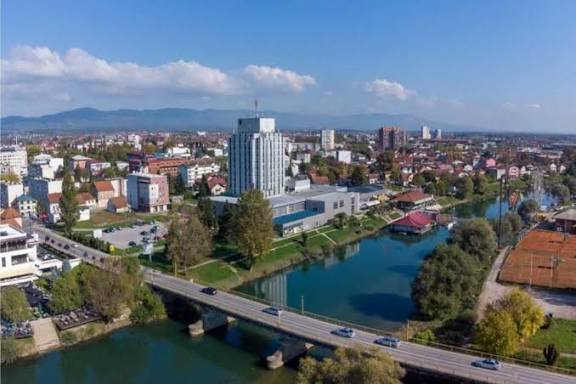
Tuzla is the third-largest city in Bosnia and Herzegovina and serves as the administrative center of Tuzla Canton within the Federation of Bosnia and Herzegovina. Located in the northeastern part of the country, Tuzla sits in a flat valley surrounded by hills and salt-rich plains. Known historically as the “City of Salt”, Tuzla has a unique cultural and industrial identity shaped by its salt mines, chemical industry, and multiethnic heritage. Today, it is a vibrant urban center blending history, modernity, and education, making it a critical hub for northeastern Bosnia.
History:
Tuzla’s origins trace back over 6,000 years, with evidence of Neolithic settlements in the area. Archaeological discoveries indicate that Tuzla has been inhabited since prehistoric times, primarily due to its abundant salt deposits, which were exploited even in Roman times. The Romans established salt production facilities, which contributed to the city’s early economic significance.
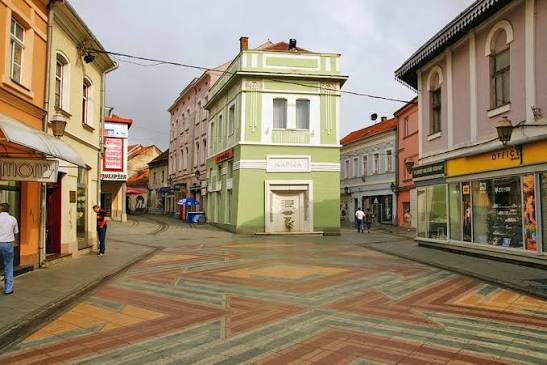
During the medieval period, Tuzla was a part of various Bosnian kingdoms, serving as a trading hub due to its salt and strategic location. Ottoman rule began in the 15th century, bringing Islamic architecture, mosques, public baths, and educational institutions. The Ottoman influence shaped the Old Town area, including its market streets and religious sites.
Under Austro-Hungarian rule (1878–1918), Tuzla underwent industrialization and modernization. Railways, roads, and public buildings were constructed, linking the city to broader European markets. The Austro-Hungarians also formalized the salt mining industry, which had already been central to Tuzla’s economy for centuries.
The 20th century saw further industrial development, particularly in chemical, coal, and energy sectors. Tuzla played a key role during Yugoslavia’s industrialization period, hosting power plants, chemical factories, and coal mines. During the Bosnian War (1992–1995), Tuzla was notable for its multiethnic solidarity and relative protection from the severe destruction faced by other cities, although it did endure tragic attacks such as the 1995 Tuzla massacre.
Geography & Climate:
Tuzla is located in a flat basin within northeastern Bosnia, surrounded by hills and salt lakes. The most famous natural feature is the Pannonian Lakes, formed by the exploitation of salt mines and now a major recreational area. The Tuzla Salt Lake is the only salt lake in the Balkans and a symbol of the city.
Tuzla has a continental climate, with hot summers, cold winters, and moderate precipitation year-round. Snowfall is common in winter, while summer temperatures can exceed 30°C (86°F). The salt-rich soil and surrounding hills contribute to a unique microclimate favorable for certain types of agriculture, including fruit orchards and vineyards.
Demographics:
Tuzla has a population of around 120,000 in the city proper, with the metropolitan area reaching approximately 200,000. The city is ethnically diverse, with Bosniaks, Croats, and Serbs historically forming the main communities. Tuzla is also known for its secular and multiethnic identity, often described as one of the most socially tolerant cities in Bosnia and Herzegovina.
The city’s population is relatively young, largely due to the presence of higher education institutions and industrial employment opportunities. This demographic dynamic fuels Tuzla’s cultural vibrancy, entrepreneurship, and civic engagement.
Economy:
Tuzla’s economy has historically revolved around salt mining, coal extraction, and the chemical industry, with the Tuzla Thermal Power Plant serving as a major employer. The city is also developing a service-oriented economy, with banking, retail, education, and tourism playing increasingly important roles.
Salt mining has been central to Tuzla’s identity for millennia. The company Solana Tuzla, operating since the 19th century, continues to produce salt and related products. Industrial parks, technology zones, and small-to-medium enterprises are emerging, fostering economic diversification and investment in innovation.
Tourism is growing, especially around the Pannonian Lakes and cultural heritage sites. The city is known for its festivals, thermal spas, and recreational opportunities, attracting both domestic and international visitors.
Culture & Society:
Tuzla has a rich cultural life, blending Ottoman, Austro-Hungarian, and modern influences. The city hosts theaters, art galleries, music venues, and cultural festivals, reflecting its long-standing commitment to arts and education.
Key cultural institutions include the National Theatre Tuzla, the Tuzla Cultural Center, and the Museum of Eastern Bosnia, which preserves the city’s archaeological and historical heritage. Music, folklore, and contemporary arts thrive, supported by educational institutions and community organizations.
The city is also home to Tuzla’s vibrant university scene, with the University of Tuzla offering programs in medicine, engineering, economics, and humanities. Student life contributes significantly to the cultural energy of the city, with numerous clubs, events, and civic initiatives.
Landmarks & Tourism:
Key landmarks and attractions in Tuzla include:
- Tuzla Salt Lake (Panonska jezera) – a unique saltwater lake and recreational area.
- Old Town (Stari Grad) – featuring historic mosques, markets, and Ottoman-era architecture.
- Pannonian Lakes Recreation Area – with swimming, boating, and cultural events.
- Tuzla National Theatre – center of performing arts.
- Sjenjak Forest and surrounding hills – ideal for hiking, picnicking, and nature exploration.
Tuzla is also known for its spas and wellness tourism, with salt-based therapies and therapeutic facilities drawing health-conscious visitors.
Education & Institutions:
The University of Tuzla, established in 1976, is one of the largest in Bosnia and Herzegovina, comprising faculties in engineering, natural sciences, medicine, economics, and arts. Tuzla also has numerous primary and secondary schools, vocational institutions, and cultural academies, making it a major educational hub in the northeast of the country.
Transportation & Infrastructure:
Tuzla is well-connected by road, rail, and air. The Tuzla International Airport serves both domestic and regional flights, providing direct access to major European cities. Public transportation within the city includes buses and taxis, while road networks connect Tuzla to Sarajevo, Zenica, and other urban centers. The surrounding terrain allows for easy development of industrial zones and recreational areas, integrating urban life with nature.
Conclusion:
Tuzla is a city defined by its salt heritage, industrial history, and multicultural identity. Its combination of natural beauty, modern infrastructure, and cultural vibrancy makes it a unique city in Bosnia and Herzegovina. Despite historical challenges, Tuzla has emerged as a resilient and forward-looking urban center, offering educational opportunities, economic growth, and a high quality of life. Known for its progressive, multiethnic spirit and innovative urban projects, Tuzla continues to be a city of historical significance and contemporary relevance.