Overview:
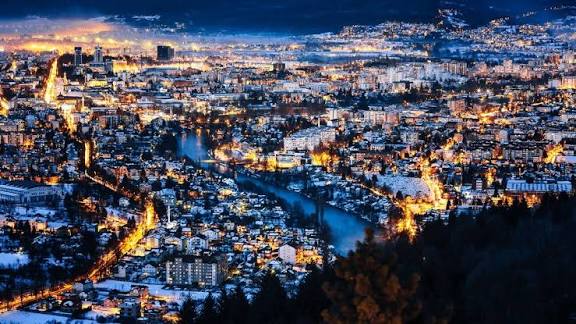
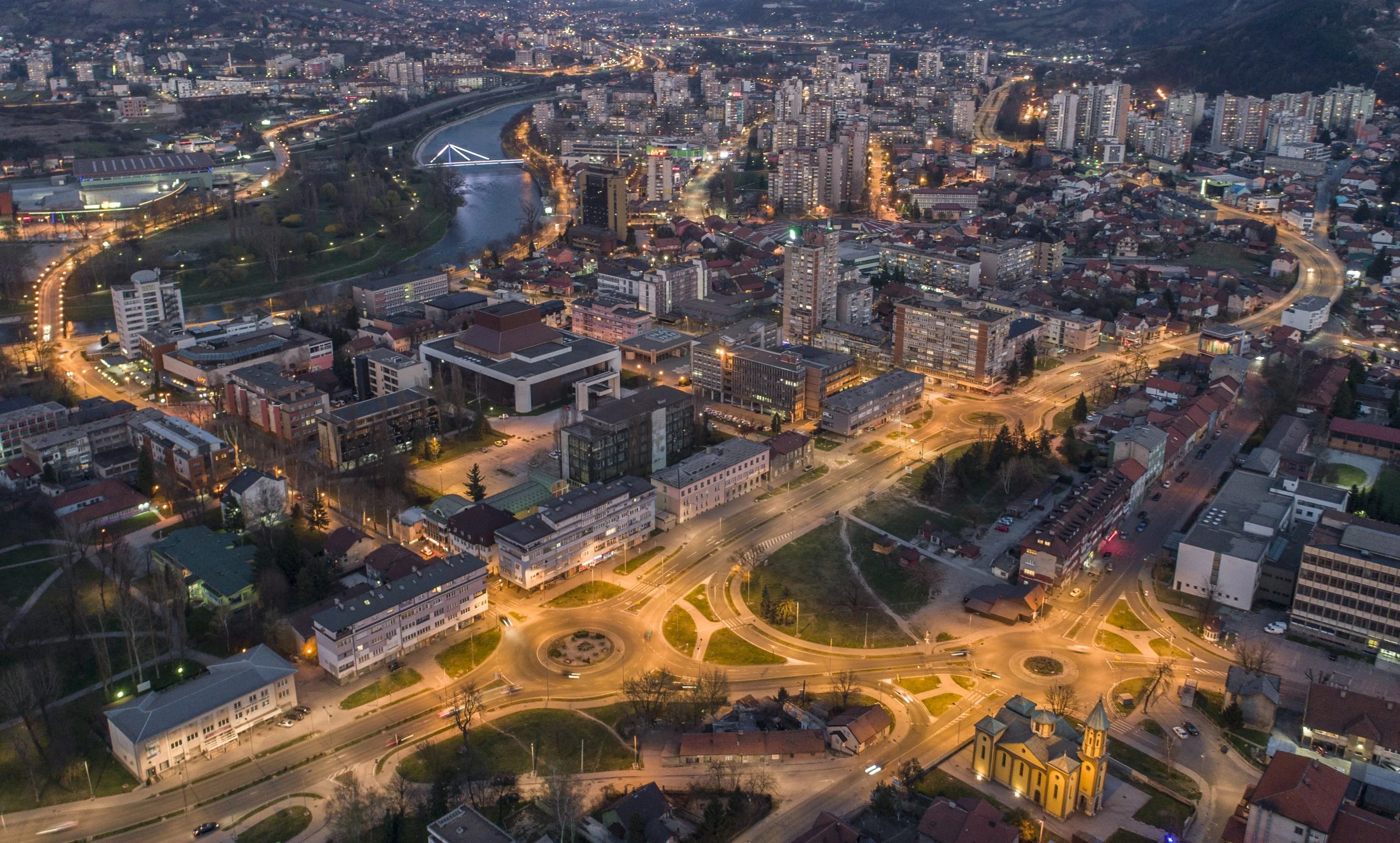
Zenica is one of the largest cities in Bosnia and Herzegovina, located in the central part of the country along the Bosna River. It is the administrative center of Zenica-Doboj Canton and is known primarily as an industrial hub, with a history deeply tied to coal, steel, and energy production. Often referred to as the “Industrial Capital” of Bosnia and Herzegovina, Zenica has a unique identity that combines heavy industry, urban culture, and historical heritage.
History:
The area around Zenica has been inhabited since prehistoric times, with archaeological finds including Neolithic settlements, Roman roads, and artifacts. The Romans recognized the strategic importance of the valley along the Bosna River, establishing roads, settlements, and trade routes.
During the medieval period, Zenica was part of the Bosnian Kingdom, serving as a local administrative and commercial center. Ottoman rule began in the 15th century, during which mosques, bridges, and public buildings were constructed, and trade in the Bosna Valley flourished. Zenica’s name itself is believed to have Ottoman or Slavic origins, though the exact etymology is uncertain.
The Austro-Hungarian administration (1878–1918) initiated significant modernization, including railways, industrial facilities, and urban planning, laying the foundation for Zenica’s later industrial growth. The 20th century saw Zenica evolve into a major industrial city under the Kingdom of Yugoslavia and, later, socialist Yugoslavia. The establishment of the Zenica Ironworks (Željezara Zenica) transformed the city into a center of steel production, which continues to define its economic profile.
During the Bosnian War (1992–1995), Zenica experienced relative stability compared to Sarajevo and Mostar, though it faced economic and social challenges due to the broader conflict. Post-war reconstruction focused on modernizing industry, urban infrastructure, and public services.
Geography & Climate:
Zenica is located in a river valley along the Bosna River, surrounded by the Dinaric Alps. Its location has historically provided natural resources, including coal, iron ore, and fertile land, which supported industrial and agricultural development. The river itself has been central to the city’s economy and urban planning, providing water for industry and hydroelectric energy.
The city has a continental climate, characterized by warm summers, cold winters, and moderate precipitation throughout the year. Snowfall in winter is common, while summer temperatures can reach 30°C (86°F). The surrounding hills and forests provide scenic views and opportunities for hiking, cycling, and outdoor recreation.
Demographics:
Zenica has a population of approximately 110,000–120,000 in the city proper, with the metropolitan area reaching around 150,000. The city is ethnically diverse, with Bosniaks forming the majority, along with smaller communities of Croats, Serbs, and others. Zenica has traditionally been a working-class city, shaped by its industrial base, with a culture emphasizing labor solidarity, education, and civic participation.
Economy:
Zenica is the industrial powerhouse of Bosnia and Herzegovina. The Zenica Ironworks (Željezara Zenica), established in the mid-20th century, has been a major employer and economic driver, producing steel and industrial materials for domestic and international markets. Coal mining in the surrounding areas supports the energy and steel industries, while the city’s chemical and manufacturing sectors provide additional employment.
In recent years, Zenica has sought to diversify its economy, with investments in education, services, IT, and small-to-medium enterprises. The city is also exploring tourism opportunities, emphasizing cultural heritage, natural surroundings, and industrial tourism. Despite the challenges of transitioning from a heavily industrial economy, Zenica remains a critical economic center in central Bosnia.
Culture & Society:
Zenica’s culture reflects its industrial heritage, historical depth, and multiethnic character. The city hosts theaters, museums, and cultural centers, and emphasizes education and the arts. Folk music, traditional crafts, and modern artistic expression coexist, supported by local cultural institutions.
Notable cultural institutions include the Kamerni Teatar 55, which stages plays, concerts, and community events, and the City Museum of Zenica, which preserves archaeological, historical, and ethnographic collections. Annual events such as local festivals, music concerts, and sports competitions enrich community life.
Zenica’s society is marked by resilience, civic engagement, and a strong emphasis on education and labor values. Its working-class roots continue to shape the city’s identity, with solidarity and communal participation being central to local culture.
Landmarks & Tourism:
Key landmarks in Zenica include:
- Zenica Ironworks (Željezara Zenica) – industrial complex symbolizing the city’s economic identity.
- Bosna River Promenade – scenic riverside area for walking and recreation.
- Kamerni Teatar 55 – a prominent cultural venue.
- Old Fortress Vranduk – medieval fortress near the city, a short drive from the urban center.
- City Parks and Green Spaces – including Kraševo Park and Pionirska Dolina, offering outdoor leisure opportunities.
While Zenica is primarily industrial, nearby natural attractions, hiking trails, and historical sites make it appealing for domestic tourism and exploration of central Bosnia.
Education & Institutions:
Zenica is an educational center in central Bosnia, with numerous primary and secondary schools, technical institutions, and vocational centers. The University of Zenica, founded in 2000, offers faculties in metallurgy, engineering, medicine, law, economics, and humanities, supporting the city’s transition to a knowledge-based economy and fostering research, innovation, and cultural development.
Transportation & Infrastructure:
Zenica is strategically located along major highways connecting Sarajevo to the north of Bosnia and Herzegovina. It is also served by rail, facilitating the transport of industrial goods. Public transportation includes buses, taxis, and pedestrian-friendly areas. The Bosna River and nearby hydroelectric plants provide energy and contribute to industrial activities.
Conclusion:
Zenica is a city defined by its industrial heritage, labor culture, and central Bosnian location. From its ancient roots to modern steel production, the city has been a hub of economic activity and social resilience. Despite the challenges of transitioning from a heavy industrial economy to a more diversified one, Zenica continues to thrive as a center of education, culture, and industry. Its combination of historical depth, economic significance, and natural beauty makes it a vital urban center in Bosnia and Herzegovina, representing both the challenges and opportunities of a modern post-industrial city.