Bosnia and Herzegovina is becoming an increasingly popular destination for tourists who want to explore historic cities, breathtaking mountains, rivers, and scenic countryside. Many visitors ask the same important question before arriving: can tourists drive in Bosnia and Herzegovina? The short answer is yes. Tourists are legally allowed to drive in Bosnia, and for many travelers, renting a car is one of the best ways to experience the country.
Legal Requirements for Tourists Driving in Bosnia
Tourists can drive in Bosnia and Herzegovina with a valid national driving license issued by their home country. Driving licenses from the European Union, the United Kingdom, the United States, Canada, Australia, and most other countries are accepted.
In some cases, an International Driving Permit (IDP) is recommended, especially if the license is not written in Latin script. While it is not always mandatory, having an IDP can help avoid misunderstandings during police checks.
Tourists must also carry:
- A valid passport
- Vehicle registration documents
- Proof of insurance (usually provided by the rental company)
Renting a Car as a Tourist in Bosnia
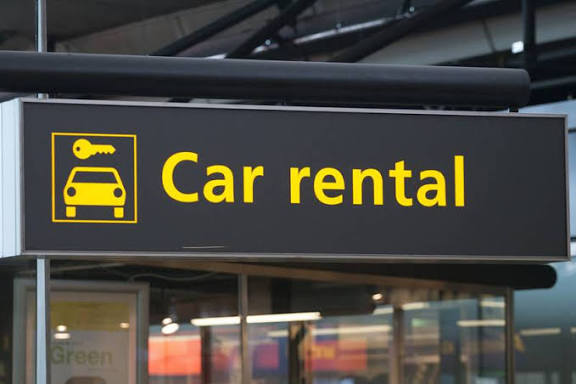
Car rental is widely available in Bosnia, especially in cities like Sarajevo, Mostar, Banja Luka, and Tuzla, as well as at international airports. Most rental companies require drivers to be at least 21 years old, although some may charge an additional fee for younger drivers.
Renting a car allows tourists to travel at their own pace and reach places that are difficult to access by public transport, such as mountain villages, national parks, and rural attractions.
Road Infrastructure and Driving Conditions
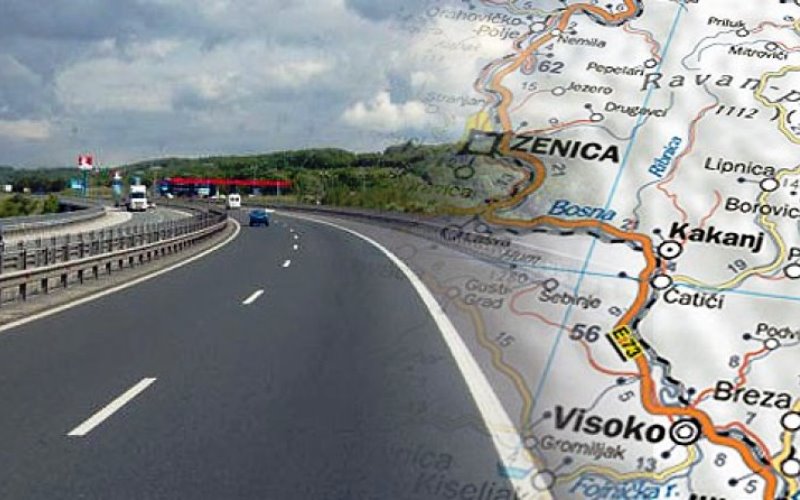
Bosnia has a mix of modern roads and older regional routes. Major highways and main roads connecting large cities are generally in good condition. In contrast, secondary and mountain roads can be narrower, winding, and slower.
Tourists should be prepared for:
- Curved mountain roads
- Occasional road works
- Slower traffic in rural areas
- Livestock or wildlife on the road
Despite these challenges, most tourists find driving in Bosnia manageable and even enjoyable.
Traffic Rules Tourists Should Know
Traffic regulations in Bosnia are similar to those across Europe. Some important rules include:
- Driving on the right-hand side
- Seat belts are mandatory for all passengers
- Headlights must be on at all times
- Speed limits are strictly enforced
- Mobile phone use while driving is prohibited without hands-free equipment
Police checks are common, and fines are issued on the spot if rules are violated.
Driving in Cities vs Rural Areas
Driving in large cities like Sarajevo can be challenging for first-time visitors due to traffic congestion, narrow streets, and limited parking. However, once outside city centers, driving becomes much easier.
In rural areas, roads are quieter and scenic, but drivers should remain cautious due to sharp curves and limited lighting at night.
Winter Driving and Seasonal Considerations
From November to April, winter equipment is mandatory in Bosnia and Herzegovina. Snowfall can be heavy in mountain regions, and tourists unfamiliar with winter driving should plan routes carefully.
Rental cars are usually equipped with winter tires during this period, but it is always recommended to confirm this in advance.
Fuel Stations and Road Services
Fuel stations are widely available across the country, even in smaller towns. Prices are generally lower than in Western Europe, and most stations accept cash and credit cards.
Roadside assistance is available, and emergency numbers are easy to access if needed.
Safety and Driving Culture
Bosnia is considered safe for tourists, including those driving independently. While local driving habits may seem more assertive than in some countries, serious incidents are rare.
Defensive driving, respecting speed limits, and avoiding night driving in unfamiliar rural areas will help ensure a safe journey.
Exploring Bosnia by Car
Driving gives tourists access to some of Bosnia’s most beautiful destinations, including:
- Sarajevo and its surrounding mountains
- Mostar and Herzegovina region
- National parks and rivers
- Remote villages and historical sites
Many travelers consider driving the best way to experience the country’s natural and cultural diversity.
Conclusion
Tourists can legally and safely drive in Bosnia and Herzegovina. With proper documentation, basic knowledge of traffic rules, and careful planning, driving can be a comfortable and rewarding way to explore the country. For visitors seeking flexibility and freedom, renting a car remains one of the most practical travel options in Bosnia.