Overview:
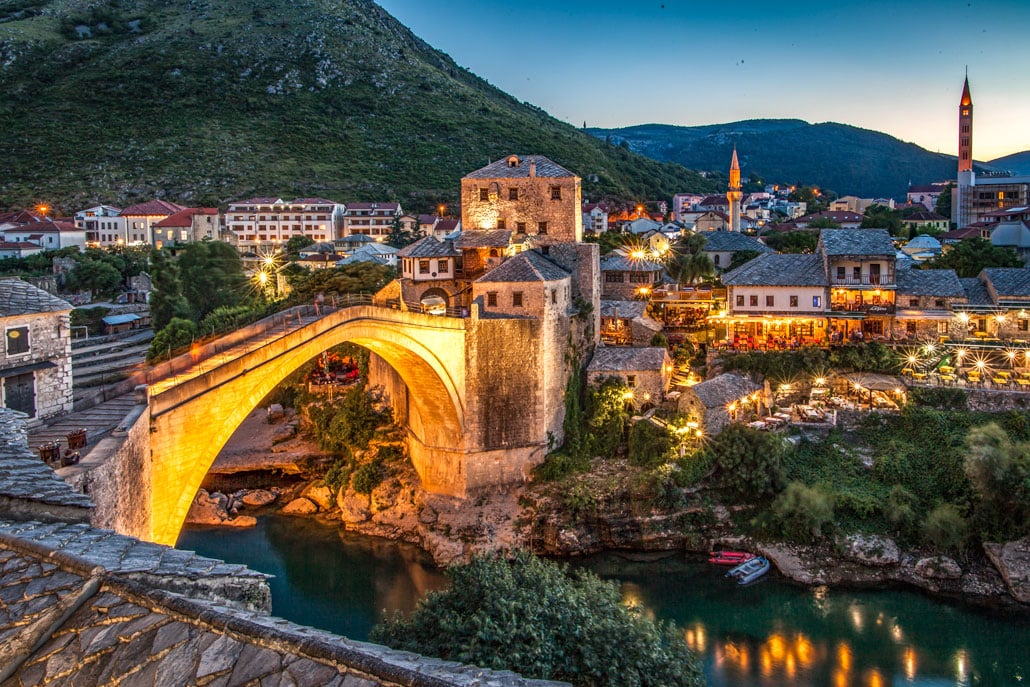
Mostar is a historic city in southern Bosnia and Herzegovina, located in the Herzegovina region. It is the administrative center of Herzegovina-Neretva Canton and is famous worldwide for its iconic Stari Most (Old Bridge), a UNESCO World Heritage site. The city sits on the banks of the Neretva River and is surrounded by karst mountains, giving it a stunning natural setting. Mostar’s blend of Ottoman, Mediterranean, and modern influences has shaped its architecture, culture, and identity.
History:
Mostar’s history stretches back to the medieval period. The area was originally settled by Illyrians and later became part of the Roman Empire. The city gained prominence under Ottoman rule in the 15th century, when it developed into a regional center of trade and administration. The Old Bridge, built in 1566 under architect Mimar Hayruddin, symbolized the city’s unity and connected the two banks of the Neretva River.
During Austro-Hungarian rule (1878–1918), Mostar underwent modernization, with European-style architecture, schools, and infrastructure added to the city. The combination of Ottoman and Austro-Hungarian styles makes Mostar architecturally unique, with mosques, Catholic churches, and Ottoman-style houses coexisting.
Mostar suffered severe destruction during the Bosnian War (1992–1995). The Old Bridge, along with much of the historic city center, was destroyed in 1993. Reconstruction efforts after the war, supported by UNESCO and international donors, restored the Old Bridge to its original Ottoman design. The city now stands as a symbol of reconciliation and cultural heritage.
Geography & Climate:
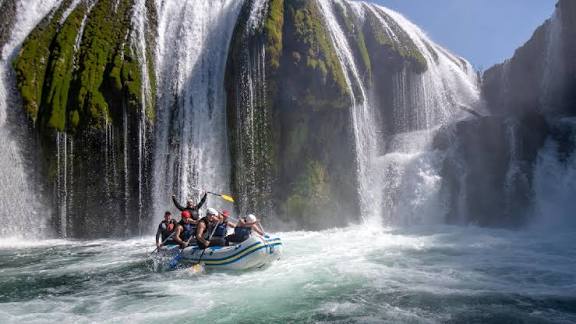
Mostar lies in a valley along the Neretva River, with the river carving its way through limestone cliffs and hills. The surrounding region has a Mediterranean-influenced climate, characterized by hot, dry summers and mild, wet winters. The natural landscape provides opportunities for outdoor activities such as rafting, hiking, and rock climbing.
Demographics:
Mostar is home to a diverse population, primarily Bosniaks (Muslims) and Croats (Catholics), with smaller numbers of Serbs and other ethnic groups. The city’s population before the 1990s war was approximately 100,000–120,000, but the war caused significant displacement. Today, the population is estimated at around 105,000, with efforts to promote interethnic coexistence and cultural exchange.
Economy:
Mostar’s economy revolves around tourism, trade, and light industry. Tourism plays a major role due to the city’s historical sites, natural beauty, and cultural festivals. The Old Bridge and Old Bazaar (Bazar Kujundžiluk) are central attractions, drawing visitors from across the world. Craft shops, local markets, and cafes thrive on tourism.
The city also has small industries in food processing, textiles, and construction. Agriculture in surrounding areas contributes to the economy, with vineyards, olive groves, and citrus orchards common in Herzegovina.
Culture & Society:
Mostar is renowned for its multicultural heritage. The coexistence of mosques, churches, and traditional Ottoman houses reflects centuries of interwoven cultures. The city is famous for its traditional Neretva diving, where young men dive off the Old Bridge into the river—a practice dating back to Ottoman times and maintained as a cultural tradition.
Mostar hosts festivals such as the Mostar Summer Festival and film and music events, fostering cultural exchange and promoting the city’s rich heritage. Traditional Bosnian and Herzegovinian music, cuisine, and crafts are integral to daily life, and local artisans maintain centuries-old traditions of metalwork, pottery, and weaving.
Landmarks & Tourism:
Key landmarks in Mostar include:
- Stari Most (Old Bridge) – UNESCO World Heritage site, symbol of unity and resilience.
- Koski Mehmed-Pasha Mosque – Ottoman-era mosque offering panoramic views of the city.
- Old Bazaar Kujundžiluk – historic market street with artisan shops.
- Crooked Bridge (Kriva Ćuprija) – smaller Ottoman bridge, historic precursor to Stari Most.
- Muslibegović House – preserved Ottoman-era residential architecture.
The Neretva River offers rafting and other water sports, while the surrounding mountains provide hiking and natural exploration opportunities.
Education & Institutions:
Mostar is an educational hub in Herzegovina, home to University of Mostar, a major institution serving the region with faculties in humanities, natural sciences, and engineering. Primary and secondary schools, vocational institutions, and cultural centers contribute to the city’s intellectual and cultural development.
Transportation & Infrastructure:
Mostar is connected to other cities in Bosnia and Herzegovina by road and rail. Mostar International Airport offers flights to European destinations, supporting tourism and business. Within the city, public buses and taxis provide local transport, and pedestrian-friendly streets in the Old Town encourage walking.