Overview:
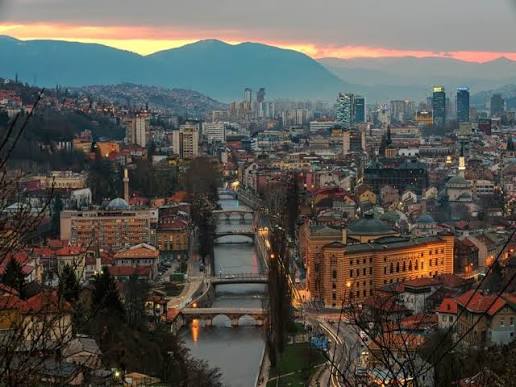
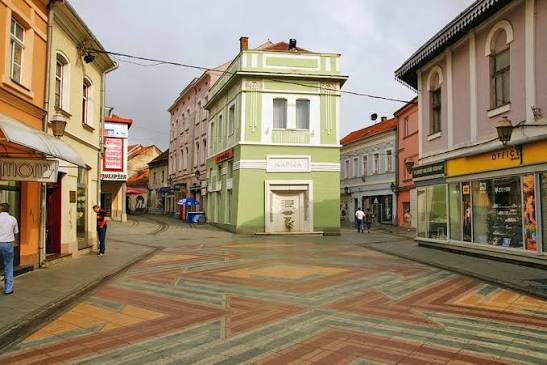
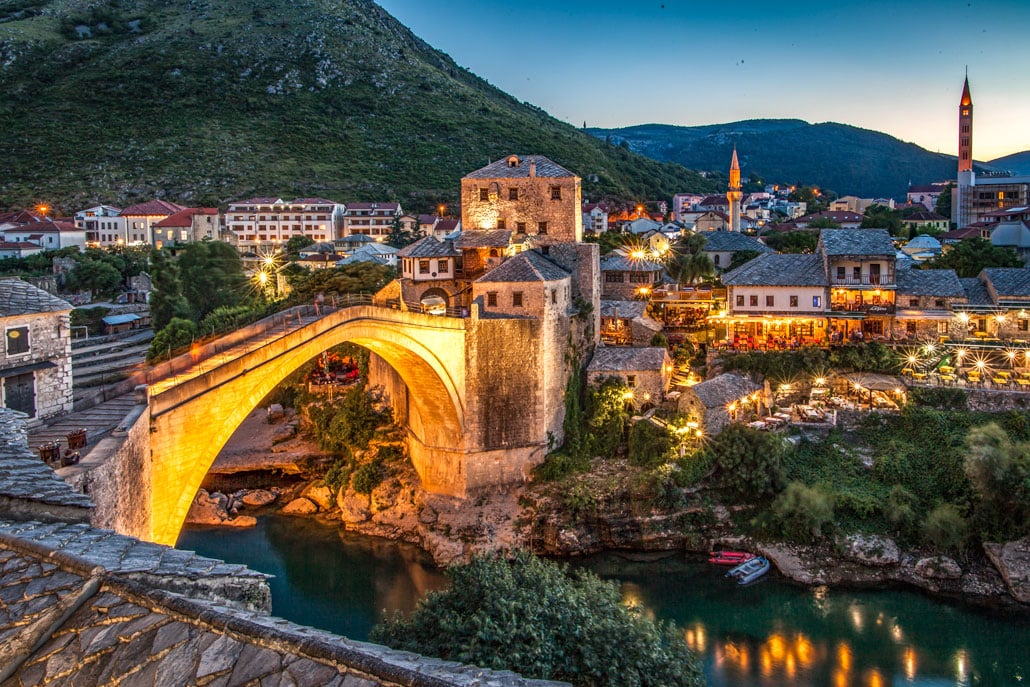
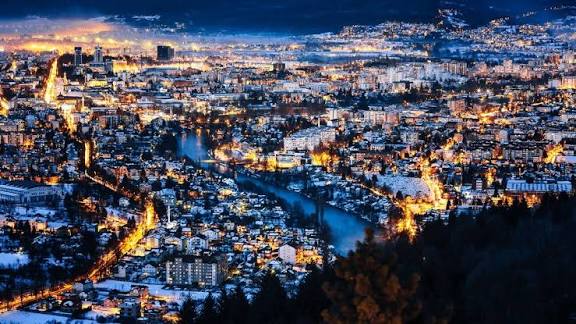
Banja Luka is the second-largest city in Bosnia and Herzegovina and the administrative center of Republika Srpska. It is situated on the banks of the Vrbas River, surrounded by rolling hills and forests, which give it the nickname the “Green City”. Known for its vibrant cultural scene, historical heritage, and economic significance, Banja Luka plays a central role in the politics, education, and business of Republika Srpska and Bosnia and Herzegovina as a whole.
History:
The history of Banja Luka stretches back to Roman times, when the area was part of the Roman province of Illyricum. Archaeological finds, including coins and remnants of Roman settlements, indicate that the region was a minor but active hub of trade and military activity. The city’s name, derived from the Turkish words “Banja” (bath) and “Luka” (harbor or port), reflects its Ottoman heritage and the presence of thermal springs in the area.
During the Ottoman period (16th–19th centuries), Banja Luka became an important administrative center. Ottoman architecture flourished, and mosques, bridges, and public baths were built, shaping the city’s historical core. Many of these buildings, such as the Ferhat Pasha Mosque, became iconic symbols of the city’s cultural identity.
The Austro-Hungarian administration (1878–1918) introduced European-style architecture, modern infrastructure, and educational institutions. The city expanded rapidly, and its role as a regional economic center grew. During the 20th century, Banja Luka continued to develop under the Kingdom of Yugoslavia and later the Socialist Federal Republic of Yugoslavia, seeing the establishment of industries, universities, and cultural institutions.
During the Bosnian War (1992–1995), Banja Luka was largely spared the destruction seen in other cities, although demographic changes occurred, and the city’s ethnic composition shifted. In the post-war era, Banja Luka has become a center of political power, business, and culture in Republika Srpska.
Geography & Climate:
Banja Luka is located in the northwestern part of Bosnia and Herzegovina, on the banks of the Vrbas River, which flows through the city in a winding, picturesque valley. The surrounding hills and forests contribute to the city’s reputation as one of the greenest urban areas in the Balkans. Parks, tree-lined streets, and nearby recreational areas are integral to Banja Luka’s urban environment.
The city has a humid continental climate, characterized by warm summers and cold winters, with moderate precipitation throughout the year. Snowfall is common in winter, especially in surrounding higher-altitude areas, while summer temperatures can reach the high 20s Celsius (mid-80s Fahrenheit). The climate supports rich biodiversity and a variety of outdoor activities, from hiking and river sports to cultural festivals held in open-air venues.
Demographics:
Banja Luka has a population of approximately 200,000 in the city proper and over 250,000 in the metropolitan area, making it the second-largest urban area in Bosnia and Herzegovina. The population is primarily ethnic Serbs, with smaller communities of Bosniaks, Croats, and other ethnic groups. The city is predominantly Eastern Orthodox in religious affiliation, but there are also Catholic churches, mosques, and other places of worship reflecting its multicultural history.
Banja Luka is a youthful city, with a significant student population attending local universities and educational institutions. Its demographic composition supports a dynamic social and cultural life, making it a center for festivals, music, theater, and public events.
Economy:
Banja Luka is a key economic center in Republika Srpska, with a diverse economy encompassing services, trade, industry, and government administration. The city hosts numerous banks, insurance companies, and public institutions, reflecting its role as the political and administrative hub of the entity.
Industrial activity in Banja Luka includes food processing, wood products, metalworking, and construction materials. The city has experienced growth in IT and service sectors in recent years, with increasing investment in technology and business infrastructure. Tourism is also growing, with visitors drawn by historical sites, green spaces, cultural events, and nearby natural attractions such as the Vrbas River canyon.
Culture & Society:
Banja Luka is rich in cultural heritage and modern artistic life. The city has theaters, galleries, museums, and libraries that document its history and promote contemporary arts. Traditional crafts, folklore, and music coexist with modern cultural expressions, including film festivals, concerts, and art exhibitions.
One of the city’s most important cultural institutions is the Banski Dvor National Theatre, a cultural and political hub hosting performances, concerts, and exhibitions. Annual events such as the Banja Luka Film Festival, Vrbas Summer Fest, and local folklore festivals attract visitors from across the region.
Landmarks & Tourism:
Key landmarks and attractions in Banja Luka include:
- Ferhat Pasha Mosque – an Ottoman-era mosque, reconstructed after destruction during the 1990s war, symbolizing the city’s multicultural heritage.
- Banski Dvor – a historical building hosting cultural events and exhibitions.
- Kastel Fortress – a medieval fortification overlooking the Vrbas River, offering panoramic views of the city.
- Vrbas River – popular for rafting, kayaking, and other water sports.
- City Parks – such as Petar Kočić Park and Mladen Stojanović Park, providing recreational spaces for locals and visitors.
Banja Luka is also near natural attractions like Kozara National Park, known for hiking, wildlife, and historical monuments.
Education & Institutions:
Banja Luka is a major educational center in Republika Srpska. The University of Banja Luka offers faculties in medicine, law, economics, engineering, and arts, attracting students from across the country. Numerous primary and secondary schools, vocational institutions, and cultural academies contribute to the city’s educational and intellectual development.
Transportation & Infrastructure:
The city is well-connected by road, with highways linking Banja Luka to other major cities in Bosnia and Herzegovina and neighboring countries. Banja Luka International Airport serves domestic and regional flights, facilitating business and tourism. Public transportation includes buses, taxis, and well-maintained roads, while pedestrian-friendly areas enhance urban mobility. Bridges over the Vrbas River are iconic features of the cityscape and essential for transportation.
Conclusion:
Banja Luka is a city of history, culture, and natural beauty. Its combination of Ottoman heritage, Austro-Hungarian architecture, and modern development makes it a unique urban center in Bosnia and Herzegovina. Known as the “Green City,” Banja Luka offers a high quality of life, vibrant cultural activities, and a resilient spirit. Its role as the administrative, educational, and economic center of Republika Srpska ensures that it will remain a key city in the region for generations to come.