Landing in a new country for the first time can be exciting but also a little stressful. To make your arrival in Bosnia and Herzegovina smooth and hassle-free, here’s everything you should know before touching down at airports like Sarajevo, Banja Luka, Tuzla, or Mostar.
1. Travel Documents
- Passport: Ensure it is valid for at least 6 months from your arrival date.
- Visa: Check if you need a visa based on your nationality. Many countries have visa-free access for short stays.
- Accommodation and Return Tickets: Border officers may ask for proof of where you will stay and your onward or return travel plans.
Tip: Keep these documents accessible in your carry-on bag for quick presentation.
2. Airport Arrival Procedures
- Passport Control: All international arrivals must go through border control.
- Baggage Claim: Follow signs to collect checked luggage. Screens above carousels show flight numbers and luggage locations.
- Customs: Use the green channel if you have nothing to declare, and the red channel if you are carrying restricted items or large amounts of cash.
3. Language and Communication
- English is commonly spoken at major airports, including Sarajevo, Tuzla, and Banja Luka.
- Airport signage is bilingual (Bosnian/English), making navigation easier for tourists.
- Smaller airports may have limited English-speaking staff, especially late at night.
4. Transportation from the Airport
- Taxis: Official taxis are recommended; confirm prices before departure.
- Hotel Shuttles / Private Transfers: Convenient for first-time visitors, especially for late-night arrivals.
- Public Buses: Affordable but limited in frequency and routes.
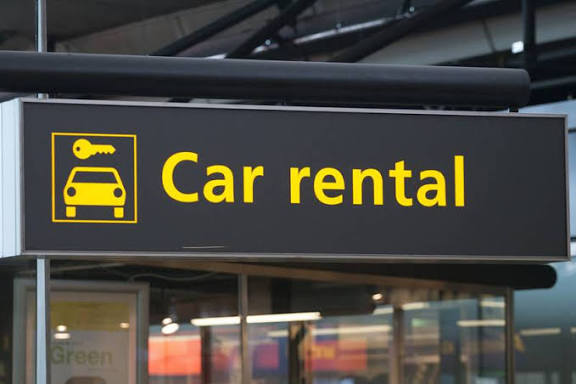
- Car Rentals: Available at major airports for travelers planning to explore on their own.
Tip: Pre-book transfers if arriving late, as public transportation may be limited.
5. Currency and Payments
- The local currency is Bosnia and Herzegovina Convertible Mark (BAM).
- ATMs and currency exchange offices are available at major airports.
- Credit cards are accepted at many services, but carrying some cash is recommended, especially for taxis and small purchases.
6. Safety and General Advice
- Bosnia and Herzegovina is generally safe for tourists.
- Stick to official transportation and avoid unlicensed taxi services.
- Keep your travel documents, phone, and valuables secure during transit.
- Be polite and patient — airport staff are helpful and accustomed to international visitors.
7. Tips for First-Time Visitors
- Know your airport: Sarajevo is the largest and most convenient; smaller airports like Mostar and Tuzla have fewer services.
- Prepare for customs: Declare restricted items honestly to avoid fines or delays.
- Plan your route to the hotel: Confirm transfer or taxi availability ahead of time.
- Check local regulations: For health, travel, or COVID-related rules.
- Stay connected: Free Wi-Fi is available at most major airports.