Bosnia and Herzegovina is a country where nature reveals itself in dramatic and unforgettable ways. From soaring mountains and pristine rivers to dense forests and serene lakes, the country’s landscapes feel untouched by time. One of the best ways to experience this wild beauty is through its nature parks, which protect the diverse ecosystems, rare wildlife, and cultural heritage scattered across the country. Whether you are a hiker, photographer, birdwatcher, or simply a traveler seeking peace and natural splendor, Bosnia’s nature parks offer experiences that are both humbling and exhilarating.
Among the most notable is Sutjeska National Park, a sprawling expanse of mountains, rivers, and ancient forests in southeastern Bosnia. Established as the country’s first national park, Sutjeska is home to the Perućica Primeval Forest, one of the last remaining primeval forests in Europe. Walking through the forest, the air heavy with the scent of pine and earth, one cannot help but feel a sense of timelessness. Towering trees, some hundreds of years old, stretch skyward, and sunlight filters through thick branches in a way that feels almost sacred. The park also hosts Maglić Mountain, Bosnia’s highest peak. Reaching its summit requires determination and stamina, but the reward is panoramic views of the emerald valleys, winding rivers, and distant peaks—a reminder of the raw beauty of the Balkans. In Sutjeska, every trail tells a story, from the historical significance of WWII battlefields to the natural history preserved in its rugged terrain.
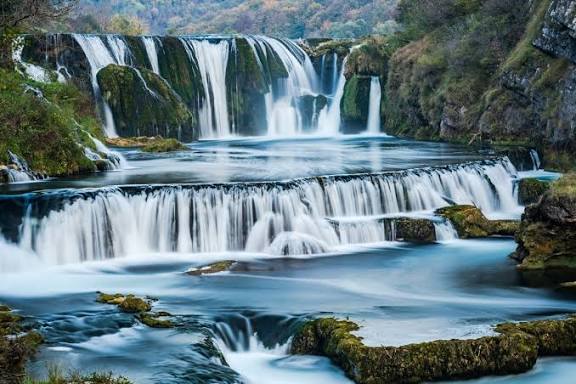
Equally enchanting, yet different in atmosphere, is Una National Park, located along the turquoise waters of the Una River. Famous for its waterfalls, rapids, and serene meanders, Una offers a gentler, more aquatic side of Bosnian nature. Hiking along the riverbanks, the sound of cascading water accompanies every step, whether at the spectacular Štrbački Buk, where the river plunges dramatically over a limestone ledge, or at smaller, more hidden cascades tucked into forested glades. Kayaking and rafting on the Una are popular for those seeking adventure, allowing visitors to feel the river’s energy up close. The surrounding forests are rich in wildlife, including otters, eagles, and deer, and the peaceful atmosphere of Una makes it a haven for photographers and nature lovers alike.
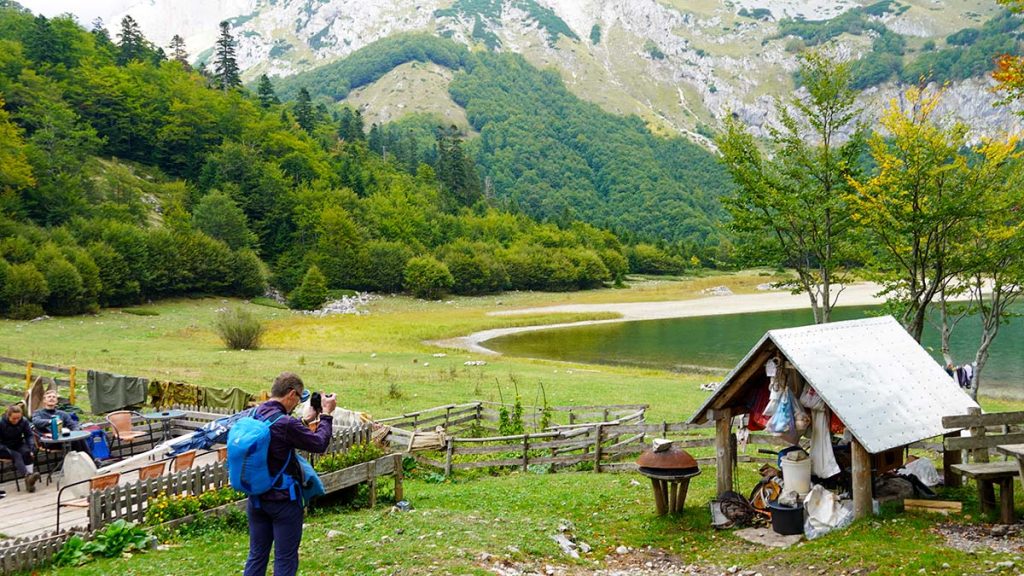
Moving southward, Blidinje Nature Park offers a completely different experience. Set in Herzegovina, it is characterized by open meadows, rolling hills, and the serene Blidinje Lake, which mirrors the surrounding mountains like a natural mirror. Unlike Sutjeska’s rugged wilderness, Blidinje is accessible and inviting, ideal for family hikes, cycling, or simply enjoying the harmony between water, meadow, and mountain. It also holds cultural significance, with small historic villages and medieval tombstones scattered across its landscape. Walking its trails, one encounters not only natural beauty but a deep connection to the past, as if every stone and tree carries centuries of stories.
For travelers drawn to rugged alpine landscapes, Vranica Mountain in central Bosnia is an essential destination. Its high peaks, dense pine forests, and vast meadows provide a peaceful escape from urban life. The trails here offer solitude, and the views from the summits are nothing short of spectacular. Early morning hikes reward visitors with fog rolling over valleys, sunlight touching the tips of jagged rocks, and the distant sound of birds—a perfect setting for contemplation and photography.
Northern Bosnia, too, has its treasures, with Kozara National Park offering forested hills, historical landmarks, and rich biodiversity. Kozara is gentler than the alpine regions but equally enchanting. Its trails weave through beech and oak forests, leading to viewpoints where the Sava River plains stretch into the horizon. Kozara is also a place of memory, with monuments commemorating the region’s history. Hiking here combines natural exploration with a profound sense of place, reminding visitors that nature and culture are often intertwined.
Another hidden gem is Prenj Mountain, often called the “Herzegovinian Himalayas” for its rugged peaks and dramatic cliffs. This area is less frequented, offering a wilderness experience for adventurous hikers. Climbing its limestone ridges requires careful planning and stamina, but the sense of isolation and the vistas over karst valleys make every step worthwhile. For those willing to explore further, the nearby Neretva River cuts through the mountains, creating turquoise pools and serene spots ideal for a midday rest or photography.
Bosnia’s nature parks are not only about mountains and rivers; they are living ecosystems that preserve rare species of plants and animals. In parks like Sutjeska, Blidinje, and Una, it is possible to see golden eagles, lynx, bears, and otters in their natural habitats, along with a plethora of endemic plants found only in the Balkans. This biodiversity is part of what makes hiking in Bosnia a profound experience: it is not merely a recreational activity but a journey through an ecosystem still largely intact, a reminder of the wildness that once covered much of Europe.
Visitors to these parks also discover a deep cultural connection to nature. Small villages near the trails preserve traditional ways of life, offering insight into centuries-old agricultural practices, local cuisine, and crafts. In Blidinje, for example, local shepherds still tend to flocks in alpine meadows, and tasting fresh cheese and honey from these areas is a highlight of any visit. Similarly, in Una, local guides can provide stories about the river, historical settlements, and folklore, turning a simple hike into a cultural immersion.
Practical considerations are also part of the experience. Bosnia’s parks are most enjoyable in spring, summer, and autumn, when temperatures are mild and trails are accessible. Winter brings heavy snow to higher mountains like Maglić and Prenj, creating a magical, if challenging, landscape. Trails vary in difficulty, from gentle riverside walks in Una to demanding multi-day hikes in Sutjeska or Prenj. Many parks offer marked paths, but hiring a local guide is recommended for remote areas, both for safety and for a deeper understanding of the environment.
Ultimately, exploring Bosnia and Herzegovina’s nature parks is about connection—connection with the land, with wildlife, and with the country’s rich cultural tapestry. From the ancient primeval forests of Sutjeska to the shimmering waters of Una, the serene meadows of Blidinje, and the rugged cliffs of Prenj, each park tells a story, inviting visitors to walk slowly, breathe deeply, and immerse themselves fully. For travelers seeking adventure, tranquility, or inspiration, these parks are not just destinations—they are experiences that linger long after the trails have ended.
Bosnia and Herzegovina may be small, but its natural landscapes are vast, varied, and overwhelmingly beautiful. Each park, each trail, each river, and each peak offers a unique perspective, making the country a treasure trove for those who love nature. Exploring its parks is not just sightseeing; it is stepping into a world where mountains touch the sky, rivers carve valleys, and the wilderness remains pure, wild, and unforgettable.
For anyone traveling through the Balkans, Bosnia and Herzegovina’s nature parks are essential destinations. They are places to hike, to photograph, to reflect, and to be humbled by the power and beauty of the natural world. Every step, every view, and every encounter with wildlife is a reminder of why this region is one of Europe’s most underrated natural jewels.