Flight Status at Sarajevo Airport — The Invisible Story Behind Every Take‑Off and Landing
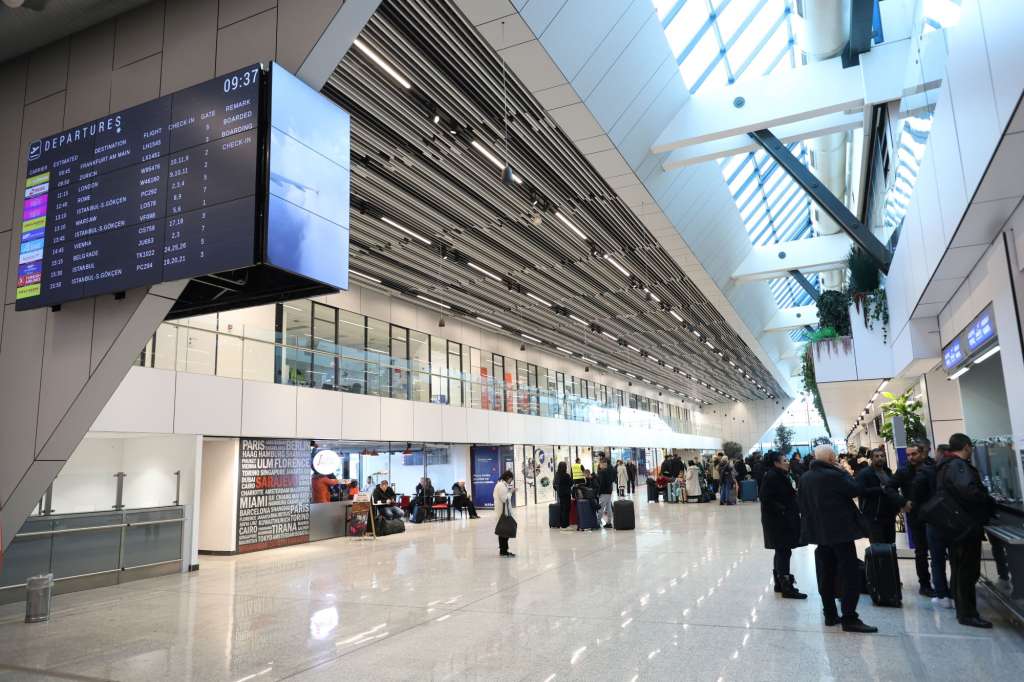
At its heart, flight status is one of the most important but least understood elements of modern air travel. To most people, flight status is that small update on an airport display screen or in a mobile app — a simple phrase like “On Time”, “Delayed” or “Landed”. But in reality, it represents a living narrative of human movement, logistical orchestration, and the unpredictable dance between sky, machine, and time.
In a place like Sarajevo International Airport, where air traffic ties one of Europe’s most historic cities to a network of world cities, flight status is the heartbeat that keeps travelers synchronized with the world beyond the valley. It is both the first whisper of anticipation for those set to depart, and the last signal of release for those awaiting arrival.
What Is Flight Status — The Story Behind the Tag
Flight status is essentially real‑time information about a specific flight’s progress — from scheduled departure time and gate assignment, to its actual in‑air movement and eventual arrival. Each update reflects thousands of moving parts: aircraft positions, air traffic control decisions, weather patterns, airline crew availability, and even the arrival or departure of other aircraft that share the same airport resources.
Imagine flight status as the narrator of a journey, telling you:
- When a flight is expected to take off or land
- Whether it’s running ahead of schedule
- Whether it’s been delayed due to weather or traffic
- Whether it’s currently in flight
- If it’s landed and completed its journey
- Whether, in rare cases, it has been diverted or cancelled
As each minute passes, this narrative can shift — sometimes subtly, sometimes dramatically — depending on what the plane and the skies are doing.
How Flight Status Comes Alive
Behind the electronic display and mobile notifications is a complex system that collects data from multiple sources:
- Airline systems — track the planned schedule and integrate changes from crew and aircraft movements
- Air Traffic Control (ATC) — coordinates the flow of aircraft within national and international airspace
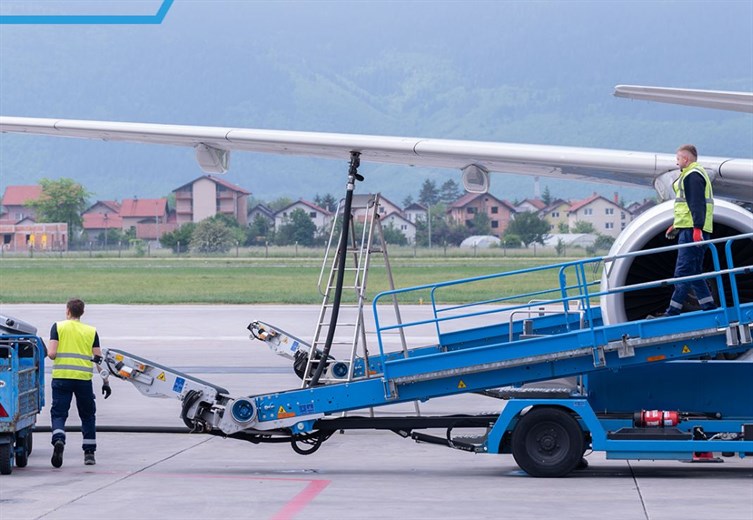
- Airport operations — manage runway availability, gate assignments, and ground handling
- Weather monitoring — continuously scans for conditions that could affect flight safety or timing
These systems work together so that the status you see — the expected departure time, the real‑time gate number, the delay notification — represents the most up‑to‑date snapshot of a complex logistical choreography. In Sarajevo, this coordination is especially vital because geography and weather conditions can shift rapidly and influence flight operations more than at flatter, more predictable airports.
Common Flight Status Labels Explained
When you check the status of a flight at Sarajevo International Airport, you will likely encounter a range of terms. Knowing what they mean transforms the message from a simple label into meaningful planning information:
- Scheduled: The flight is listed at its original planned time, before any changes.
- Expected/Estimated: This reflects the updated time the airline or airport now anticipates, showing how timing has shifted.
- Delayed: Indicates a postponement beyond the scheduled time — often due to weather, airspace congestion, or operational adjustments.
- On Time: The flight is proceeding as planned with no known delays.
- Boarding: Passengers are currently being invited to enter the aircraft.
- Departed/En‑Route: The flight has taken off and is in progress.
- Landed: The aircraft has touched down and completed its flight.
- Cancelled: The flight will not operate as planned, often due to severe weather or operational constraints.
Understanding these labels — and especially the difference between scheduled and expected times — gives travelers real foresight into how their journey is unfolding.
Why Status Changes — Unseen Forces at Work
Flight status does not change for no reason. Every update represents a real‑world event or decision. Some of the major influences include:
- Weather patterns: Fog, snow, wind or low clouds can slow aircraft movement and affect safe take‑offs or landings. Sarajevo’s valley geography can make its approach patterns sensitive to changing conditions, so delays or cancellations during sudden fog are not uncommon.
- Air traffic flow: When major hubs become congested, flights arriving into Sarajevo can be re‑sequenced or temporarily held.
- Aircraft rotation timing: If the incoming aircraft for your flight is delayed, the subsequent departure will be pushed back as well.
- Crew Scheduling: Airline staff need to meet regulatory rest and duty requirements; a delay earlier in the day can ripple through a crew’s schedule.
- Operational incidents: Anything from mechanical checks to runway maintenance can affect the timetable.
Because of these dynamic factors, a flight that was “On Time” can quickly become “Delayed” or “Expected” at a later hour. Part of mastering flight status is not just seeing the label — but understanding that it is a refined reflection of unfolding events in the sky and on the ground.
Checking Flight Status — More Than a Routine
A flight’s status is accessed in various ways: airport screens, airline mobile apps, airport websites, and live flight‑tracking services. Today’s digital world allows passengers and waiting loved ones to view movements in real time, sometimes even tracking the aircraft’s progress across Europe as it approaches Sarajevo’s runway.
Savvy travelers do more than glance at the status once — they monitor it:
- Hours before departure or arrival
- When weather conditions are uncertain
- When connecting flights depend on timing
This continuous awareness helps travelers make better decisions — whether to leave earlier for the airport, adjust ground transportation, or prepare for an alternate flight if necessary.
Flight Status and Passenger Peace of Mind
For passengers departing Sarajevo, flight status is like a compass that guides their timing: when to check in, when to head through security, and when to arrive at the gate. A delayed status might mean a slower pace through the terminal, or a chance to explore airport amenities before boarding.
For those receiving arrivals, the status board is the bridge between expectation and reality — offering continuous updates on when a loved one will step off the aircraft. Even small changes — a few minutes earlier or later — can change the emotional tempo of waiting.
In some cases, flight status can signify more dramatic change: a cancellation or long delay. While these moments are frustrating, early awareness allows passengers to contact airlines sooner, secure alternate flights, or adjust plans before long waits in departure halls or arrival lounges.
Flight Status and Weather — A Special Consideration for Sarajevo
The climate and terrain around Sarajevo enhance the importance of status monitoring. Valley location, fog patterns and winter conditions can all influence visibility and runway operations — and thus contribute to status changes that travelers must watch closely.
When conditions become extreme, entire days of flights may be rescheduled or cancelled, affecting multiple airlines and routes. In such times, airlines and the airport communicate status updates more frequently, and travelers often check status not just once, but repeatedly as forecasts evolve.
In Summary — What Flight Status Really Represents
At its essence, flight status is not just a label on a screen. It is a dynamic, real‑time narrative that connects travelers to every stage of their journey — before departure, during transit, and upon arrival. It represents:
- The current reality of a specific flight
- The ripple effect of weather, logistics and operational decisions
- A traveler’s map to timing and planning
- A predictive glimpse into the immediate future of travel events
Knowing how to read and interpret flight status is not merely practical; it is an essential part of modern travel literacy — especially in airports like Sarajevo where local conditions can change rapidly and influence schedules.
In every departure and landing, flight status tells the story of movement, uncertainty, expectation and ultimately arrival — bringing both returning friends and hopeful explorers into the heart of this historic city.