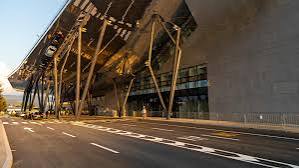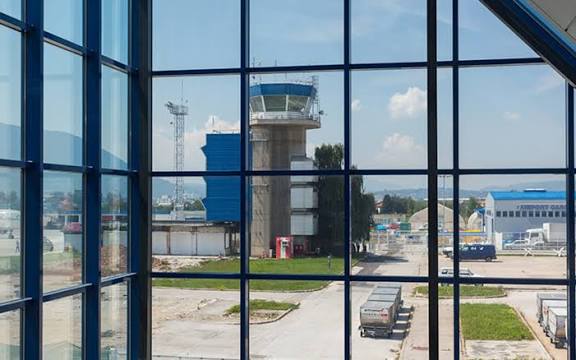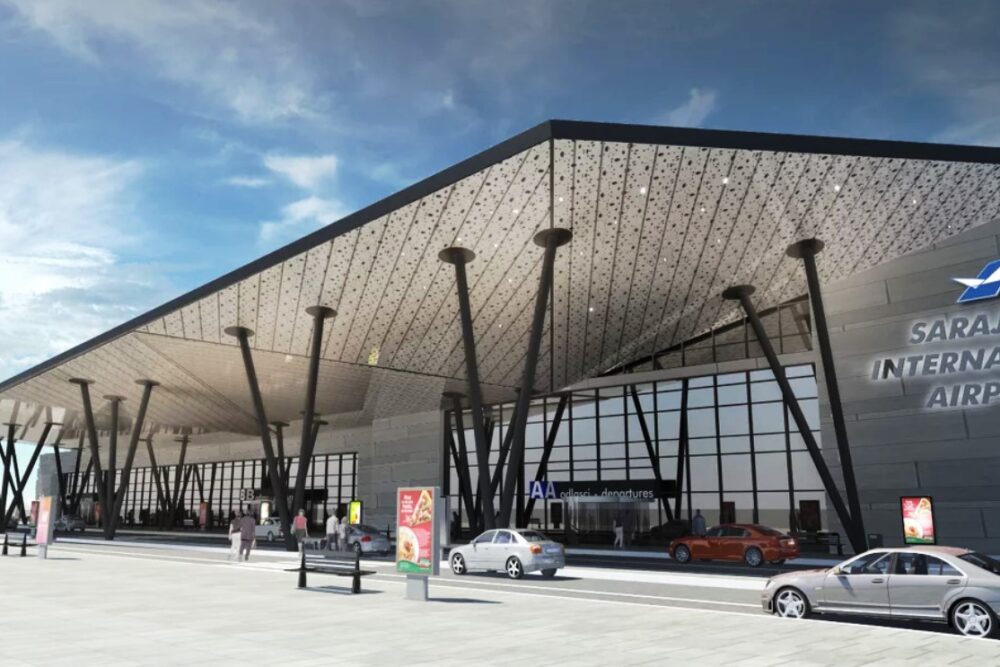
Above the rolling hills and cathedral spires of Sarajevo, the sky is a theatre of constant motion. Each day at Sarajevo International Airport — known simply by its code SJJ — the flight schedule unfolds like a living calendar: planes arriving and departing at precise moments, threads of connection weaving this historic city into the far corners of Europe and beyond. The timetable is more than a list of departures and landings; it is the heartbeat of the airport, shaping how people move, meet and depart.
The Architecture of Time and Travel
A flight schedule is both practical and poetic. It’s the timetable of dreams and obligations, a matrix of hours that link Sarajevo to capitals, coastal hubs, and crossroads of commerce. From the early morning to late evening, each flight represents a story: a business journey, a family reunion, an academic exchange, a tourist’s first step into a land rich with history.
Early morning flights often serve regional connections. Short hops to nearby capitals like Vienna or Zagreb begin the day; these routes help business travellers catch early meetings and give holidaymakers extra daylight to explore the old city. During mid‑morning and afternoon, the schedule fills out with longer connections, bringing passengers from cities like Istanbul, Zurich and even distant gateways, linking Sarajevo with western and northern Europe.
Reading the Timetable — Flight Patterns and Rhythms
A typical day’s schedule at Sarajevo comprises a mix of arrivals and departures that follow a gentle rhythm:
- Dawn departures from the city’s tarmac introduce flights bound for regional capitals — essential corridors to hubs such as Vienna and Zagreb. These flights may lift off at times like 06:10 or 06:30, carrying passengers into the first light of day, and linking Sarajevo to broader European networks.
- Mid‑morning to early afternoon slates might include services from major European cities. Frankfurt, Istanbul and Zurich often appear in the arrivals list as aircraft descend into the valley, connecting Sarajevo with major economic and cultural centres.
- Afternoon entries and exits bring a larger variety of routes, reflecting both leisure travel and diaspora traffic — connections that leave travelers in Sarajevo in time for evening engagements or send locals onward for weekend plans.
This structured flow, maintained by airlines on a weekly basis, evolves with the seasons, reflecting tourism peaks, weather conditions and strategic demands of air travel. What passengers see on a flight board is the result of meticulous planning — a choreography of aircraft, crews, and international coordination.
The Symphony Behind the Timetable
A flight schedule is not static. It changes with seasons, passenger demand and airline strategies. Summer months may see additional flights to holiday routes, while winter schedules adjust to weather patterns and reduced leisure travel. Airports publish changes periodically so travellers can plan well ahead.
Like a conductor leading an orchestra, the airport’s operations team ensures each arrival and departure is synchronized — not only with local needs but with global air traffic patterns. The schedule doesn’t just reflect geography, it reflects economics, culture, and time itself.
Living with the Schedule — The Passenger’s Perspective
For the person flying in or out of Sarajevo, the daily timetable is a map of choices. Choosing a flight time isn’t merely about cost or convenience — it’s about how they want to experience the day:
- An early departure offers a full day at destination, but demands an early rise and careful coordination with ground transport.
- A midday flight may slice neatly through meetings or give time to savour a last coffee before boarding.
- An evening departure carries the rhythm of the city’s slow sunset, aligning with connections to other European hubs and offering comfort of relaxed travel.
For families, a flight’s timing may determine whether a child can sleep through most of the journey. For professionals, it determines whether a meeting is possible in the morning or afternoon. For holidaymakers, it can decide whether a beach or a mountain awaits at sunset.
The timetable is alive with possibility — each entry on the board a promise of movement, transition and connection.
Beyond the Numbers — What a Flight Plan Reflects
The flight schedule of Sarajevo Airport is not just a roster of times — it signifies how Sarajevo fits into the global lattice of travel. Direct connections to key European cities serve economic and cultural exchange. Seasonal adjustments show responsiveness to tourism and diaspora patterns. Even the spacing of flights — morning, afternoon, evening — mirrors human rhythms.
To understand Sarajevo’s flight schedule is to understand how the city engages with the world: predictable yet flexible, orderly yet dynamic.
Closing Thoughts — Time, Sky and Human Journeys
A flight schedule is more than a practical guide; it is part of the airport’s personality. It teaches us about connection and timing. It teaches us how Sarajevo opens itself to its neighbours and to remote lands alike. With every arrival and departure, the rhythm of the schedule tells the ongoing story of a city in motion — linking the valley to the skies, and the skies to the vast map of human destinations